Samsung's Quantum Leap: How GridBeyond's Software-Defined Energy Redefines Our Power Future
Key Takeaways
- Software, not merely hardware, is now the critical orchestrator of the future energy grid
- Corporate venture capital is strategically accelerating the transition towards a decentralized, resilient energy ecosystem
- The convergence of AI-driven software and advanced battery storage unlocks unprecedented grid stability and sustainability
The Unseen Symphony: Samsung’s Bold Bet on a Software-Defined Energy Epoch
The hum of our modern world runs on an increasingly complex, yet paradoxically fragile, engine: the electrical grid. As renewable energy sources proliferate, bringing with them the promise of a sustainable future but also the challenge of intermittency, the very infrastructure that powers our lives teeters on the brink of obsolescence. Blackouts are no longer theoretical; they are stark reminders of a system struggling to adapt. Into this fray steps Samsung, not with a new smartphone or display, but with a strategic investment that speaks volumes about the true future of power: a multi-gigawatt orchestration managed by an island startup named GridBeyond. This isn’t just about batteries; it’s about an algorithmic elegance designed to tame the wild fluctuations of electrons, heralding a quantum leap in energy management.
The Conundrum of the Modern Grid: From Centralized Behemoth to Distributed Ballet
For over a century, our grids operated on a relatively simple premise: massive, centralized power plants pushed electricity one-way to consumers. This model, while robust for its time, crumbles under the weight of the 21st century’s demands. The proliferation of solar panels on rooftops, wind farms across landscapes, and electric vehicles drawing unprecedented loads has turned the grid into a dynamic, two-way street, a complex web of supply and demand fluctuating by the second. Traditional grid operators, relying on antiquated systems, often find themselves playing catch-up, leading to inefficiencies, curtailment of renewable energy, and ultimately, instability. The challenge isn’t merely generating enough power; it’s about ensuring every electron finds its purpose at the exact moment it’s needed, across vast, interconnected networks.
GridBeyond: The Invisible Architects of Energy Harmony
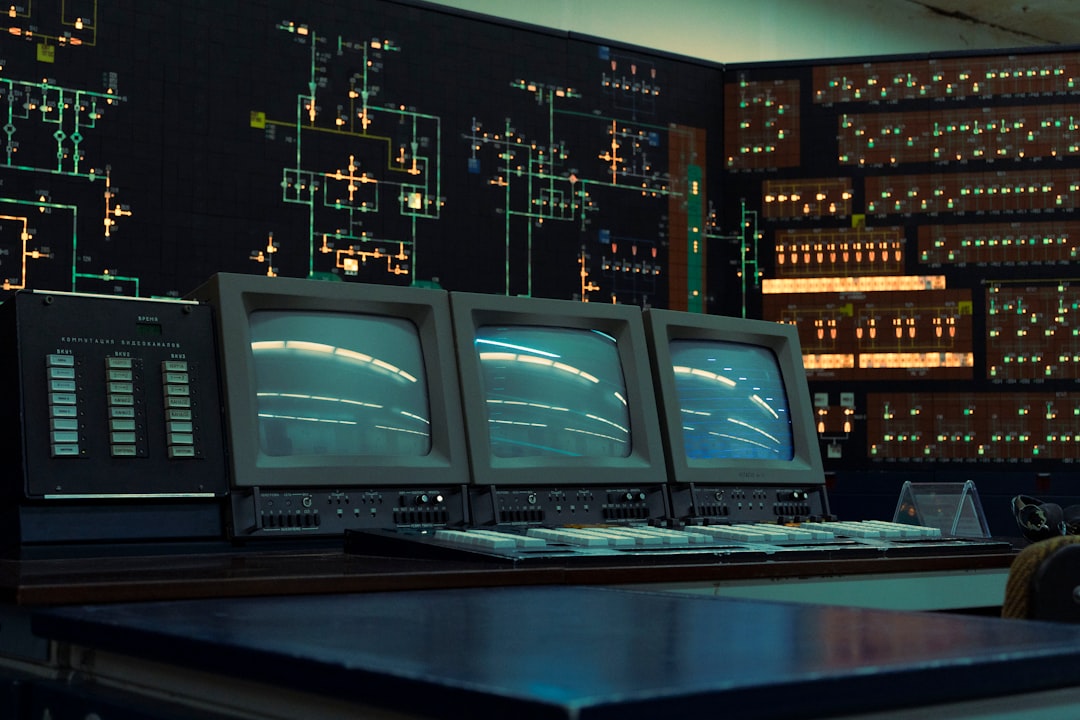
Enter GridBeyond, an unassuming island-born innovator now backed by the colossal might of Samsung Ventures. Their solution isn’t another monolithic power plant; it’s a sophisticated synergy of hardware and, critically, intelligent software. GridBeyond’s platform operates as the conductor of a vast energy orchestra, coordinating several gigawatts of diverse supply and demand assets – from industrial-scale battery storage to flexible energy consumption points within businesses.
Imagine a world where your factory’s HVAC system subtly adjusts its consumption during peak demand, or where a utility-scale battery discharges precisely when a cloud passes over a solar farm, all without human intervention. This is the promise of GridBeyond. Their AI-driven algorithms analyze real-time data, predict fluctuations, and dynamically balance the flow of electricity, essentially creating a ‘software-defined grid’. It’s an elegant solution that moves beyond brute force energy generation to intelligent, adaptive energy management.
Samsung’s Strategic Vision: Beyond Gadgets, Towards Foundational Infrastructure
Why would Samsung, a global titan synonymous with consumer electronics, pour capital into an energy management startup? This isn’t merely a philanthropic gesture towards sustainability; it’s a shrewd strategic play with profound long-term implications. Samsung understands that the next frontier of technological advancement isn’t just at the user interface, but in the foundational infrastructure that underpins our digital lives.
Their investment signals a clear diversification beyond hardware manufacturing into the critical software and services that power the future. By supporting innovators like GridBeyond, Samsung positions itself at the forefront of the energy transition, gaining insights and potential access to an ecosystem that will define global commerce and societal well-being for decades. It’s an acknowledgment that the smart home, the smart city, and indeed the smart planet, all require a smart grid. This move highlights how tech giants are no longer confined to their traditional verticals; they are becoming architects of the next era’s fundamental operating systems.
The Long-Term Impact: A Future Forged in Data and Decentralization
The implications of GridBeyond’s work, supercharged by Samsung’s backing, are manifold and transformative:
- Unprecedented Grid Resilience: By dynamically balancing supply and demand, the grid becomes far more robust against unforeseen events – be it extreme weather, cyber-attacks, or sudden spikes in consumption. This translates directly to fewer blackouts and more reliable power for everyone.
- Accelerated Renewable Energy Adoption: The ability to integrate and manage intermittent renewable sources (solar, wind) more effectively removes one of the largest bottlenecks to their widespread deployment. GridBeyond’s technology makes 100% renewable energy grids a tangible, rather than aspirational, goal.
- Democratization and Decentralization of Energy: This paradigm shift empowers “prosumers” – individuals or businesses that both consume and produce energy. It fosters the growth of microgrids and local energy markets, fundamentally changing who controls and benefits from energy production.
- Economic Efficiencies and New Markets: Optimized energy flow reduces waste, lowers operational costs for utilities, and opens up new revenue streams for participants in demand response programs. This efficiency ripples through the economy, benefiting industries and consumers alike.
The Critical Lens: Navigating the New Energy Frontier
While the promise is immense, the journey isn’t without its challenges. The shift to a software-defined grid introduces new complexities. Cybersecurity becomes paramount; a system coordinating gigawatts of power through algorithms is an attractive target. Regulatory frameworks, often slow to adapt, must evolve to accommodate these dynamic, decentralized models. Furthermore, the scalability and interoperability of such systems across diverse geographies and existing infrastructures will require significant coordination and investment.
The critical questions revolve around standardization, data privacy, and ensuring equitable access to the benefits of this new energy paradigm. As we move from centralized control to distributed intelligence, the governance and oversight of these systems become as important as their technological prowess.
The Nexus of Innovation and Necessity
Samsung’s bet on GridBeyond is more than just a venture capital investment; it’s an endorsement of a vision where energy is intelligent, resilient, and sustainable. It underscores a fundamental truth: the future of power isn’t just about generating more electricity, but about orchestrating it with unparalleled precision. The invisible symphony conducted by GridBeyond’s software, backed by Samsung’s strategic foresight, offers a compelling blueprint for a world where energy scarcity and grid instability become relics of the past. As the NexusByte, we’ve always looked towards the horizon; and on this horizon, the energy grid is not merely tamed, but transformed into a living, intelligent entity.